FATI FATI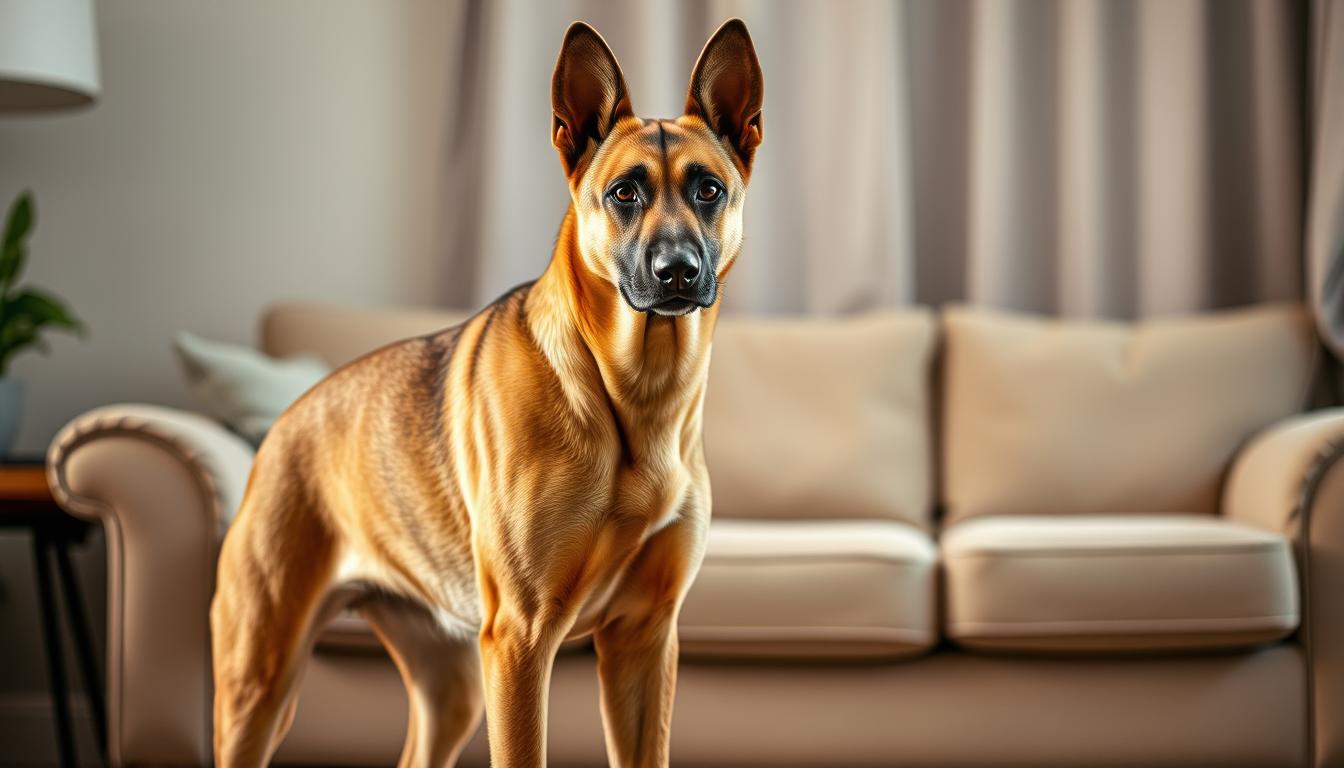
The Malinois dog represents an extraordinary breed of canine excellence, renowned for its remarkable intelligence and unwavering loyalty. Originating from Belgium, these dynamic working dogs have captured the hearts of professionals and families alike with their exceptional capabilities and dedicated nature.
Malinois dogs stand out as versatile companions capable of excelling in multiple roles. From military and police service to family protection and competitive dog sports, these remarkable animals demonstrate extraordinary skills that set them apart from other breeds. Their sharp minds and athletic builds make them perfect partners for active individuals seeking a reliable and engaging four-legged friend.
Recognized for their strong work ethic and intense drive,Malinois dog Malinois dogs require dedicated training and consistent mental stimulation. Their genetic predisposition toward high-performance tasks makes them ideal for specialized work environments while simultaneously offering deep emotional connections with their human companions.
Key Takeaways
- Highly intelligent working breed with Belgian origins
- Exceptional performance in professional and personal settings
- Requires extensive training and mental engagement
- Strong protective instincts and loyalty
- Best suited for active owners with training experience
Understanding the Belgian Malinois Breed History
The Belgian Malinois breed emerges from a rich and fascinating historical background that traces its roots deep into the heart of Belgium. These remarkable dogs began their journey as dedicated working companions in the late 19th century,Malinois dog developing a reputation for exceptional intelligence and versatility.
The Belgian Malinois breed originated in the region of Malines, Belgium, where farmers and shepherds sought a highly capable working dog. Bred for their outstanding herding abilities, these dogs quickly distinguished themselves through their remarkable skills and unwavering work ethic.
Origins in Belgium
In the late 1800s, Belgian shepherds developed four distinct varieties of herding dogs.Malinois dog The Malinois emerged as a unique type characterized by its fawn-colored coat and exceptional working capabilities. Key characteristics of their early development included:
- Precise herding skills
- Strong work drive
- Exceptional intelligence
- Adaptability to harsh working conditions
Development as Working Dogs
As industrialization transformed agricultural landscapes, the Belgian Malinois breed transitioned from herding to more specialized working roles. Their natural aptitude for complex tasks made them ideal candidates for various professional environments.
Military and police forces recognized the Belgian Malinois breed’s potential, leveraging their incredible physical capabilities and mental sharpness. These dogs began to excel in demanding roles that required precision, strength, and unwavering focus.
Evolution into Modern Service Dogs
Today, the Belgian Malinois breed has become synonymous with high-performance working dogs. They serve critically important roles in:
- Military special operations
- Law enforcement
- Search and rescue missions
- Personal and professional protection
Their remarkable journey from humble herding dogs to elite service professionals demonstrates the Belgian Malinois breed’s extraordinary adaptability and inherent capabilities.
Physical Characteristics of Malinois Dogs
The Malinois dog stands out as a remarkable breed with distinctive physical features that set it apart from other working dogs. Typically medium to large-sized, these athletic canines showcase an impressive muscular build that reflects their exceptional strength and agility.
Key physical characteristics of the Malinois dog include:
- Height: Males typically stand 24-26 inches tall, females 22-24 inches
- Weight: 55-75 pounds, with a lean and muscular physique
- Coat: Short, dense, and straight with a protective undercoat
The Malinois dog’s coat typically displays rich colors ranging from fawn to mahogany, often with characteristic black mask and ear markings.Malinois dog Their erect ears and alert expression communicate intelligence and readiness, hallmarks of this exceptional breed.
Structurally, Malinois dogs are built for performance. Their strong skeletal frame and powerful musculature make them ideal for demanding physical tasks. The breed standard emphasizes a balanced, harmonious body that supports incredible speed, endurance, and precision.
“A true Malinois embodies athletic perfection and working dog excellence” – Professional Canine Breeder Association
Their robust physique isn’t just about appearance—it’s a testament to their working dog heritage. Every physical trait of the Malinois dog has been carefully developed to support exceptional performance in various working environments.
The Distinctive Malinois Temperament
The Belgian Malinois stands out as an extraordinary breed with a complex and remarkable temperament. Known for their exceptional intelligence and working capabilities, these dogs represent more than just a typical companion animal. Their unique Malinois temperament sets them apart in the canine world.
Understanding the Malinois temperament requires deep insight into their psychological makeup and behavioral patterns. These dogs are not for everyone, but for the right owner, they become an incredible partner.
Intelligence and Trainability
Malinois dogs rank among the most intelligent dog breeds globally. Malinois dog Their remarkable cognitive abilities make them exceptional in various working roles:
- Quick learning and problem-solving skills
- Ability to master complex commands rapidly
- Exceptional performance in police and military work
- High responsiveness to professional training
Loyalty and Protective Instincts
The Malinois temperament is characterized by unwavering loyalty and strong protective instincts. They form deep bonds with their family and are naturally vigilant guardians.Malinois dog Their protective nature makes them excellent watchdogs who are always alert and ready to defend their loved ones.
Social Behavior Traits
While incredibly loyal, Malinois dogs require careful socialization. Their intense personality means they interact differently with family members compared to other breeds. They thrive on consistent interaction and clear leadership.
- Strong bond with primary caregiver
- Potential wariness toward strangers
- Need for structured social interactions
- Best suited for experienced dog owners
Potential owners should understand that the Malinois temperament demands commitment, training, and an active lifestyle to truly flourish.
Training Requirements for Belgian Malinois
Training a Malinois puppy demands dedication, patience, and a strategic approach. These intelligent dogs thrive on mental stimulation and consistent guidance. Successful Malinois puppy training starts early, focusing on establishing clear communication and building a strong bond between the dog and owner.
The key to effective Malinois puppy training lies in understanding the breed’s unique characteristics. Belgian Malinois are working dogs with high energy levels and exceptional intelligence. They require structured training methods that challenge their mental and physical capabilities.
- Begin socialization between 8-16 weeks
- Use positive reinforcement techniques
- Implement short, engaging training sessions
- Focus on obedience and mental stimulation
Recommended training techniques for Malinois puppy training include:
- Clicker training – Precise reward-based method
- Reward-based obedience exercises
- Interactive puzzle games
- Consistent command repetition
Professional trainers recommend avoiding harsh punishment. These sensitive dogs respond best to consistent, patient instruction that builds trust and respect. Malinois dog Creating a structured environment with clear boundaries helps channel their remarkable intelligence and prevent potential behavioral issues.
The right training approach transforms a Malinois from a challenging puppy to an exceptional companion.
Exercise and Activity Needs
Working Malinois dogs are renowned for their exceptional energy levels and remarkable drive. Malinois dog These dynamic canines require substantial physical and mental stimulation to maintain optimal health and happiness. Unlike typical household pets, Malinois dogs demand an intensive exercise regimen that challenges both their body and mind.
Daily exercise for Working Malinois is not just recommended—it’s essential. These dogs thrive on consistent, structured physical activities that tap into their natural working dog instincts.
Daily Exercise Requirements
A typical Working Malinois needs at least 90 minutes of vigorous exercise daily. This should include:
- High-intensity running or jogging
- Extended walking sessions
- Structured play activities
- Agility training exercises
Mental Stimulation Activities
Mental engagement is crucial for Working Malinois to prevent boredom and destructive behaviors. Recommended activities include:
- Puzzle toys and interactive games
- Obedience training sessions
- Scent work challenges
- Tracking exercises
Sport and Work Options
Working Malinois excel in various specialized activities that channel their incredible energy and intelligence. Potential outlets include:
- Police and military service work
- Search and rescue operations
- Competitive dog sports
- Protection and security roles
Owners must recognize that Working Malinois are not average companion dogs. They require dedicated handlers who understand their unique physical and psychological needs.
Malinois vs German Shepherd: Key Differences
Dog enthusiasts often find themselves comparing Malinois vs German Shepherd breeds due to their striking similarities. While both dogs excel in working environments, they possess unique characteristics that set them apart.
Physical differences between Malinois and German Shepherd dogs become apparent upon closer examination. The Malinois typically presents a more athletic and lean build,Malinois dog with a shorter coat and lighter frame. German Shepherds, in contrast, feature a more substantial body structure with a thicker double coat.
- Malinois typically weigh 55-75 pounds
- German Shepherds range from 60-90 pounds
- Malinois have shorter, straighter coats
- German Shepherds sport longer, more dense fur
Temperament represents another crucial distinction in the Malinois vs German Shepherd comparison. Malinois dogs demonstrate higher energy levels and more intense working drives. They require extensive mental and physical stimulation to prevent destructive behaviors.
“The Malinois is not a casual pet, but a dedicated working companion with extraordinary capabilities.” – Professional K9 Trainer
Training approaches differ significantly between these breeds. German Shepherds tend to be more adaptable to family environments, while Malinois demand specialized training and experienced handlers. Their intense focus and drive make them exceptional for military,Malinois dog police, and specialized service roles.
| Characteristic | Malinois | German Shepherd |
|---|---|---|
| Work Suitability | Intense Working Dog | Versatile Service Dog |
| Family Compatibility | Limited | High |
| Training Difficulty | High | Moderate |
Potential owners must carefully evaluate their lifestyle, experience, and commitment when choosing between a Malinois vs German Shepherd. Each breed offers unique qualities that require dedicated understanding and approach.
Health Considerations and Common Issues
Belgian Malinois dogs are known for their robust health, but like all breeds, they can experience specific Malinois health issues that owners should understand and monitor. Proactive healthcare plays a crucial role in maintaining the breed’s overall well-being and longevity.
Genetic Health Concerns
Malinois health issues often stem from genetic predispositions that potential owners should recognize. The breed may encounter several inherited conditions:
- Hip dysplasia – a common joint disorder
- Elbow dysplasia
- Progressive retinal atrophy
- Epilepsy
Preventive Care Measures
Preventing potential health problems requires a comprehensive approach to canine wellness. Regular veterinary check-ups, genetic screening,Malinois dog and strategic health management can significantly impact a Malinois’s quality of life.
| Preventive Care Strategy | Recommended Frequency |
|---|---|
| Veterinary Examinations | Twice per year |
| Genetic Health Screening | Once before breeding |
| Dental Cleanings | Annually |
| Orthopedic Evaluations | Annually after age 2 |
Lifespan and Aging Factors
Belgian Malinois typically live between 10-14 years when provided excellent care. Factors influencing their aging process include nutrition, exercise, genetic health, and overall lifestyle management.
“A well-cared-for Malinois is a healthy Malinois” – Veterinary Specialists
Owners can support their Malinois’s health by maintaining consistent exercise, providing high-quality nutrition, and addressing Malinois health issues proactively through regular medical consultations.
Proper Nutrition and Feeding Guidelines

Malinois care tipshttps://www.pinterest.com/pin/983403268647585080/ start with understanding the unique nutritional needs of this high-energy breed. Belgian Malinois dogs require a carefully balanced diet that supports their active lifestyle and muscular build. These working dogs burn significant calories and need nutrient-dense food to maintain optimal health and performance.
Selecting the right diet involves considering several key factors:
- Age-specific nutritional requirements
- Activity level and energy expenditure
- Weight management
- Protein and fat content
For adult Malinois, a high-quality protein diet is crucial. Lean meats and specialized working dog formulas provide the best nutritional profile. Puppies and senior dogs have different caloric needs, so consulting with a veterinarian helps create a personalized nutrition plan.
Recommended daily feeding guidelines include:
- 2-3 cups of premium dry kibble per day
- Split into two meals to prevent bloating
- Adjust portions based on weight and activity
- Maintain consistent feeding schedule
Working Malinois may require additional calories and supplements to support their intense physical activities. Raw and homemade diets can be considered, but professional guidance ensures complete nutritional balance for these exceptional dogs.
Grooming and Maintenance Requirements
Maintaining a Belgian Malinois requires dedicated grooming to keep them healthy and looking their best. Malinois care tips focus on managing their short, dense coat and addressing their specific grooming needs throughout the year.
The Malinois has a relatively low-maintenance coat, but regular grooming is crucial for their overall health and comfort. Their short, straight coat provides protection and requires consistent care to minimize shedding and maintain skin health.
Essential Coat Care Techniques
- Brush your Malinois 2-3 times per week with a firm bristle brush
- Use a rubber grooming mitt to remove loose hair effectively
- Perform weekly coat checks for any skin irritations or parasites
- Bathe only when necessary, typically every 3-4 months
Seasonal Grooming Considerations
Malinois care tips become especially important during shedding seasons. These dogs experience two major shedding periods annually – typically in spring and fall.
- Spring shedding: Increase brushing to daily during heavy coat replacement
- Fall shedding: Use undercoat rakes to manage thick winter coat development
- Implement regular bathing and brushing during transition seasons
Beyond coat maintenance, complete grooming includes nail trimming, ear cleaning, and dental care. Regular professional grooming can help manage these aspects and ensure your Malinois remains in top condition.
Living with a Malinois Dog
Bringing a Belgian Malinois breed into your home is an exciting and challenging adventure. These dynamic dogs require dedicated owners who understand their unique needs and characteristics. The Belgian Malinois breed thrives in environments that provide ample space, mental stimulation, and consistent training.
Potential owners should consider several key factors when welcoming a Malinois into their family:
- Space requirements: Large homes with secure yards are ideal
- High energy levels demand significant daily exercise
- Strong commitment to training and socialization
- Potential challenges with apartment living
Family dynamics play a crucial role in successfully integrating a Belgian Malinois breed. These dogs form intense bonds with their primary handlers and require consistent leadership. They excel in families that can provide structured routines, physical activities, and mental challenges.
| Living Environment | Suitability Rating | Key Considerations |
|---|---|---|
| Large House with Yard | Excellent | Plenty of space for exercise and play |
| Suburban Home | Good | Requires dedicated exercise routine |
| Apartment | Challenging | Needs extensive daily exercise and mental stimulation |
Successful Malinois ownership requires understanding their protective instincts and high intelligence. Families must be prepared to invest time in training, socialization, and meeting their complex emotional and physical needs.
Choosing a Malinois Puppy
Selecting the right Malinois puppy requires careful consideration and research. The process involves more than just falling in love with an adorable face. Potential owners must focus on finding a healthy, well-bred puppy that matches their lifestyle and Malinois puppy training goals.
Finding a reputable breeder stands as the most critical first step in bringing home a Malinois puppy. These dedicated professionals prioritize the breed’s health and temperament through responsible breeding practices.
Key Breeder Selection Criteria
- Provides comprehensive health clearances for parent dogs
- Allows potential owners to visit breeding facilities
- Demonstrates extensive knowledge of Belgian Malinois breed characteristics
- Offers ongoing support for Malinois puppy training
- Maintains clean, spacious living environments for dogs
Puppy Evaluation Essentials
When evaluating Malinois puppies, look beyond physical appearance. Assess temperament, socialization potential, and individual personality traits that align with your training objectives.
- Observe puppy’s interaction with littermates
- Check for confident but not aggressive behavior
- Evaluate puppy’s response to handling
- Consider potential Malinois puppy training compatibility
Professional breeders typically conduct initial health screenings and provide documentation. Your commitment to thorough research ensures you’ll welcome a healthy, well-adjusted Malinois companion into your home.
Conclusion
The Malinois doghttps://lifebridg.com/small-dog-breeds-finding-the-perfect-pup-for-you/ represents an extraordinary breed that demands careful consideration and commitment. These incredible canines are not simply pets but dedicated working partners with exceptional intelligence and unparalleled loyalty. Potential owners must understand the significant investment of time, training, and energy required to successfully integrate a Malinois into their family.
Responsible ownership of a Malinois dog means recognizing their unique needs for physical exercise, mental stimulation, and structured training. Their remarkable capabilities extend far beyond typical companion animals, making them ideal for specialized roles in law enforcement, military service, and advanced performance sports. Owners who invest in proper socialization and consistent training will unlock the breed’s remarkable potential.
Ultimately, a well-trained Malinois offers an unbreakable bond and extraordinary companionship. Their protective instincts, sharp intellect, and unwavering dedication make them more than just a pet—they become a true life partner. By understanding their complex nature and meeting their specific requirements, families can experience the profound joy of sharing life with this exceptional breed.
Prospective Malinois owners should carefully evaluate their lifestyle, living environment, and personal capabilities before bringing these dynamic dogs into their homes. With the right approach, a Malinois can transform from a challenging breed to an irreplaceable member of the family.
FAQ
Are Belgian Malinois good family dogs?
Belgian Malinois can be good family dogs for experienced owners who understand their high-energy and working dog nature. They are extremely loyal and protective, but require extensive training, socialization, and consistent mental and physical exercise. They’re not recommended for first-time dog owners or families with very young children due to their intense working drive and potential for overstimulation.
How much exercise does a Malinois need daily?
Malinois dogs require significant daily exercise, typically 1-2 hours of intense physical activity. This should include structured training, running, agility work, and mental stimulation activities. Without proper exercise, they can develop destructive behaviors due to their high energy and working dog background.
Are Malinois more aggressive than German Shepherds?
Malinois are not necessarily more aggressive, but they are more intense and have a higher prey drive compared to German Shepherds. They were bred as working dogs and have stronger protective instincts. Proper training and socialization are crucial to managing their natural tendencies and ensuring they are well-behaved companions.
What are common health issues in Malinois?
Common health issues in Belgian Malinois include hip and elbow dysplasia, progressive retinal atrophy, and potential genetic disorders. They may also experience bloat, joint problems, and certain inherited conditions. Regular veterinary check-ups, appropriate nutrition, and responsible breeding can help mitigate these health risks.
How difficult is Malinois training?
Malinois training is considered advanced and challenging. They are extremely intelligent and require consistent, professional-level training techniques. Positive reinforcement methods work best, but owners need significant dog handling experience. Early socialization and ongoing mental stimulation are critical for successfully training a Malinois.
What is the average lifespan of a Belgian Malinois?
The average lifespan of a Belgian Malinois is typically 10-14 years. Proper nutrition, regular exercise, routine veterinary care, and responsible breeding can help ensure they reach the higher end of this range. Maintaining their physical and mental health is key to longevity.
Do Malinois shed a lot?
Belgian Malinois have a short, dense double coat that sheds moderately throughout the year and heavily during seasonal changes. Weekly brushing is recommended to manage shedding, with more frequent grooming during heavy shedding periods. They are not considered hypoallergenic and require consistent coat maintenance.
Can Malinois live in apartments?
Living in an apartment with a Malinois is challenging and not typically recommended. They require extensive daily exercise and mental stimulation that is difficult to provide in a small living space. If an apartment is unavoidable, owners must commit to multiple long, intense daily walks and significant outdoor activity.