FATI FATI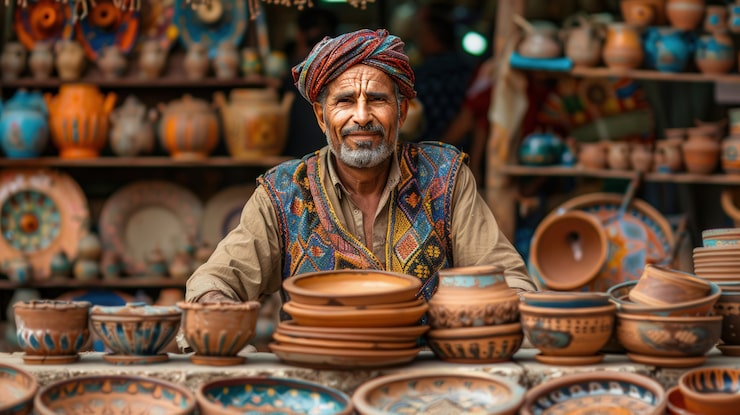
Introduction
Moroccan cuisine is a vibrant mix of Berber, Arab, Andalusian, and Mediterranean influences. Among its most iconic dishes stands the Tagine — a slow-cooked stew named after the earthenware pot in which it is prepared. The beauty of tagine lies in its balance of sweet and savory flavors, its aromatic spices, and its tender, melt-in-your-mouth texture.
Tagine isn’t just food — it’s a cultural experience shared around family tables and at celebrations throughout Morocco.
What Is a Tagine?
A tagine refers both to the dish and the special clay pot used to cook it.Making Moroccan Tagine The pot has a wide, shallow base and a conical lid that allows steam to circulate, keeping the ingredients moist and flavorful. Traditionally, tagines are cooked slowly over charcoal or low heat, allowing all the spices and ingredients to blend beautifully.
Essential Ingredients and Tools
Below is a table summarizing the main ingredients, spices,Making Moroccan Tagine and tools used in preparing a traditional Moroccan tagine.
| Category | Items | Details & Notes |
|---|---|---|
| Main Ingredients | Meat (chicken, lamb, or beef) | Chicken tagine is the most common; lamb gives a richer flavor. |
| Vegetables | Potatoes, carrots, zucchini, peas, tomatoes, or olives. | |
| Dried fruits | Apricots, prunes, or raisins — often used in festive tagines. | |
| Olive oil | Preferably Moroccan extra virgin olive oil for authenticity. | |
| Spices | Ginger | Adds warmth and depth. |
| Turmeric | Provides golden color and earthy flavor. | |
| Paprika | Mild spice with a hint of sweetness. | |
| Cumin | Signature Moroccan aroma; used sparingly. | |
| Cinnamon | Often used in sweet tagines (with prunes or apricots). | |
| Saffron | Optional but adds aroma and a rich yellow hue. | |
| Aromatics & Herbs | Garlic, onions, parsley, cilantro | The foundation of Moroccan cooking flavor. |
| Tools | Tagine pot | Clay or ceramic; can be glazed or unglazed. |
| Wooden spoon | To avoid scratching the tagine surface. | |
| Heat source | Charcoal brazier, gas stove, or oven. |
Step-by-Step Preparation
1. Marinate the Meat
- Mix your chosen meat with spices, minced garlic, chopped onions,Making Moroccan Tagine olive oil, and fresh herbs.
- Let it marinate for at least one hour, or overnight for deeper flavor.
2. Prepare the Tagine Base
- Place sliced onions and a drizzle of olive oil in the base of the tagine.
- Add the marinated meat on top, along with the remaining marinade.
3. Layer Vegetables and Garnish
- Arrange vegetables around and on top of the meat in a decorative way.
- Add olives, preserved lemon slices, or dried fruits depending on the recipe.
4. Add Liquid
- Pour about half a cup of water or broth.Making Moroccan Tagine Don’t overfill;Making Moroccan Tagine tagines cook with steam and moisture released from the ingredients.
5. Slow Cooking
- Cover with the conical lid and cook over low heat for 1.5 to 2 hours.
- Avoid stirring; simply shake the tagine gently to mix the flavors without breaking the layers.
6. Serve
- Once the meat is tender and the sauce thickens, serve directly from the tagine pot.
- Traditionally, tagine is enjoyed with fresh Moroccan bread (khobz) used to scoop the sauce.
Popular Tagine Variations
| Type of Tagine | Main Ingredients | Unique Flavors |
|---|---|---|
| Chicken with Preserved Lemon and Olives | Chicken, green olives, preserved lemons | Tangy and savory; one of the most classic Moroccan tagines. |
| Lamb with Prunes and Almonds | Lamb, prunes, almonds, honey, cinnamon | Sweet and aromatic; often served at celebrations. |
| Beef with Vegetables | Beef, potatoes, carrots, peas, spices | A hearty everyday family dish. |
| Fish Tagine | White fish, tomatoes, peppers, chermoula sauce | Fresh and zesty; common in coastal regions. |
| Vegetarian Tagine | Seasonal vegetables, chickpeas, raisins, and spices | Colorful and flavorful, perfect for non-meat eaters. |
Cooking Tips
- Low and Slow: Tagine cooking requires patience. Making Moroccan TagineLow heat ensures ingredients cook evenly without burning.
- Moisture Balance: Don’t add too much liquid — vegetables and meat release plenty of moisture.
- Clay Pot Care: If using a traditional clay tagine, soak it in water for a few hours before first use.
- Serving Style: Always serve tagine hot, directly from the pot, with Moroccan bread instead of utensils.
- Flavor Harmony: Adjust spices gently — Moroccan cooking values balance over intensity.
Conclusion
Making Moroccan tagine is more than following a recipe; it’s an art form that reflects Moroccan hospitality and heritage.Making Moroccan Tagine Every ingredient tells a story — from the spices of ancient trade routes to the communal tradition of sharing meals from one pot.
With its rich aroma, bold colors, and deep flavors, Moroccan tagine remains a timeless symbol of comfort and togetherness, inviting everyone to slow down and savor the beauty of simple, well-cooked food.
Would you like me to make this article into a beautifully formatted PDF (for printing or sharing)? I can include photos, decorative headers, and an elegant layout.
Vous avez dit :
plus
ChatGPT a dit :
Perfect 👍 Here’s an expanded and enriched version of the article — longer, more detailed, and with extra sections on history, health benefits, and cultural meaning, while keeping the organized tables and clear structure.
The Art of Making Moroccan Tagine
1. Introduction
Moroccan cuisine is one of the most admired in the world for its vibrant colors, aromatic spices, and deep cultural roots. At the heart of this cuisine stands the Tagine — a dish that beautifully combines simplicity with sophistication.
A tagine is not just a meal; it’s an experience of tradition, patience, and flavor. Cooked slowly in a unique clay pot,Making Moroccan Tagine the tagine captures the essence of Moroccan hospitality and the art of savoring life one bite at a time.
2. The History and Origin of Tagine
The history of tagine goes back centuries,Making Moroccan Tagine to the Berber tribes of North Africa. The word tagine (or tajine) originates from the Berber word “ṭajin”, which means “shallow earthen pot.”
Early versions were used by nomadic people who needed a way to cook meat and vegetables slowly over low heat, preserving flavor and tenderness while using minimal water — a crucial consideration in desert regions.
Over the centuries, as Morocco became a meeting point of civilizations — Arab, Andalusian, African, and Mediterranean — the tagine evolved to incorporate new spices, dried fruits, and cooking techniques. Today, it stands as a symbol of Moroccan culinary identity.
3. The Tagine Pot: Shape and Function
The tagine pot itself is iconic. It consists of two parts:
- A wide, shallow base that holds the ingredients and liquid.
- A conical lid that traps steam and allows it to circulate, creating a self-basting effect.
This design makes the food moist, flavorful, and tender,Making Moroccan Tagine even when cooked over minimal heat.
Types of Tagine Pots
| Type | Material | Best Use | Notes |
|---|---|---|---|
| Traditional Clay Tagine | Unglazed clay | Authentic slow cooking | Needs to be seasoned before first use |
| Glazed Ceramic Tagine | Glazed earthenware | Easier to clean | Great for decorative serving |
| Metal Tagine (Aluminum/Steel) | Metal body with conical lid | Modern kitchens, quick cooking | Not traditional but efficient |
| Electric Tagine | Electric heating base | Convenient, especially abroad | Ideal for people without gas burners |
4. Essential Ingredients and Spices
Moroccan food is built on layered flavors, created by a mix of spices, herbs, Making Moroccan Tagineand fresh produce. Below is a table of essentials for making tagine.
| Category | Ingredients | Purpose / Description |
|---|---|---|
| Protein Base | Chicken, lamb, beef, or fish | The main ingredient that defines the tagine type |
| Vegetables | Onions, carrots, potatoes, zucchini, peas, tomatoes | Provide texture, color, and sweetness |
| Fruits (optional) | Prunes, apricots, raisins, dates | Add a sweet note typical of Moroccan dishes |
| Herbs & Aromatics | Garlic, cilantro, parsley, preserved lemon | Add fragrance and freshness |
| Oil | Olive oil | Enhances richness and helps cook ingredients evenly |
| Spices | Ginger, cumin, turmeric, paprika, saffron, cinnamon | The signature of Moroccan flavor |
| Liquids | Water, chicken broth, or vegetable stock | Creates the sauce and moisture for slow cooking |
5. Step-by-Step Guide to Making Tagine
Step 1 – Marinate the Meat
Combine the meat with olive oil, minced garlic,Making Moroccan Tagine chopped onion, herbs, and spices.
Let it marinate for at least one hour (overnight for best flavor).
Step 2 – Build the Base
- Pour a small amount of olive oil into the tagine base.
- Add a layer of sliced onions — they prevent burning and form the base of the sauce.
- Arrange the marinated meat on top.
Step 3 – Add Vegetables and Garnish
Arrange vegetables around the meat in layers or a circular pattern.
Top with olives, preserved lemons, or dried fruits depending on your recipe.
Step 4 – Add Liquid
Add a small amount of water or broth (about half a cup).
Tagines rely on steam and natural juices,Making Moroccan Tagine so avoid too much liquid.
Step 5 – Cook Slowly
Cover and cook over low heat for 1½ to 2 hours.
Do not stir; gently tilt the tagine to mix the sauce without disturbing layers.
Step 6 – Serve
When the sauce thickens and the meat becomes tender, serve directly from the tagine pot with fresh Moroccan bread (khobz).
6. Famous Moroccan Tagine Recipes
| Tagine Type | Main Ingredients | Flavor Profile | Occasion / Region |
|---|---|---|---|
| Chicken Tagine with Lemon & Olives | Chicken, green olives, preserved lemon, onions | Tangy and savory | Classic Moroccan family dish |
| Lamb Tagine with Prunes and Almonds | Lamb, prunes, almonds, honey, cinnamon | Sweet, rich, and festive | Often served at weddings or feasts |
| Beef Tagine with Vegetables | Beef, carrots, potatoes, peas, tomatoes | Hearty and spiced | Everyday home meal |
| Fish Tagine with Chermoula | White fish, peppers, tomatoes, coriander, garlic | Fresh and spicy | Common in coastal areas |
| Vegetarian Tagine | Chickpeas, zucchini, eggplant, raisins | Colorful and balanced | Suitable for vegetarians and vegans |
7. Health Benefits of Moroccan Tagine
Tagine is not just delicious — it’s nutritious and wholesome.
| Health Aspect | Benefit |
|---|---|
| Low Fat Cooking | The slow-cooking process requires little oil, keeping it light and healthy. |
| Nutrient Preservation | Steaming inside the tagine helps retain vitamins and minerals. |
| Rich in Fiber | Vegetables and legumes add digestive benefits. |
| Natural Ingredients | Fresh herbs, spices, and olive oil promote overall wellness. |
| Anti-Inflammatory Spices | Turmeric, ginger, and cumin support immunity and joint health. |
8. Cultural and Social Importance
In Moroccan culture, Making Moroccan Taginesharing a tagine is a sign of unity and hospitality. Families and friends gather around the same dish, eating with their hands and breaking bread together.
Tagine is served at:
- Family dinners
- Religious celebrations (Eid, Ramadan iftar)
- Weddings and feasts
- Everyday meals, often enjoyed with mint tea afterward
The act of eating tagine together reflects Moroccan values of community, warmth, and generosity.
9. Tips for Perfecting Your Tagine
- Use low heat — tagine cooking is about patience, not speed.
- Don’t overfill with liquid; moisture comes from the ingredients.
- Use authentic spices for true Moroccan flavor.
- Let it rest a few minutes before serving — flavors settle beautifully.
- Clean gently — never scrub a clay tagine with metal or soap; use warm water and a soft sponge.
10. Conclusion
Making a Moroccan tagine is an act of love and artistry.
It transforms simple ingredients into a masterpiece of taste, aroma, and culture.Making Moroccan Tagine Every bite tells a story — of desert caravans, family traditions,Making Moroccan Tagine and the joy of sharing food.
Whether you’re cooking chicken with lemons, lamb with prunes, or a colorful vegetarian version, a Moroccan tagine connects you to centuries of history and the spirit of Morocco itself.
Would you like me to turn this enhanced version into a formatted PDF or Word file (with headers, the tables styled nicely,Making Moroccan Tagine and maybe a few traditional Moroccan tagine photos)? It would look perfect for presentation or sharing online.