FATI FATI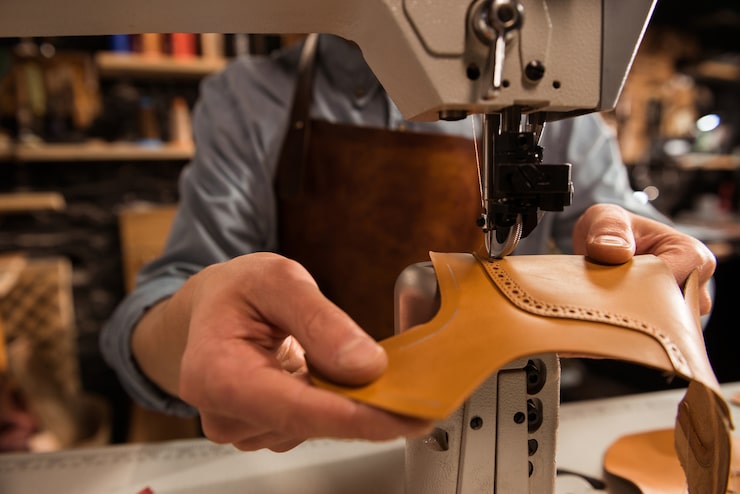
1. Introduction
Leather shoes are not merely functional objects — they are symbols of craftsmanship, heritage, and human creativity. The leather shoe industry stands at the intersection of fashion, technology, and tradition, representing one of the most valuable sectors in the global footwear market.
Despite the rise of synthetic materials, leather remains the gold standard for quality, comfort, and longevity.industrie de la chaussure en cuir Its breathability, natural texture,industrie de la chaussure en cuir and aesthetic appeal make it irreplaceable in the luxury market and preferred by professionals and consumers who value authenticity.
Today, the industry faces a dual challenge: preserving artisanal traditions while adopting sustainable and ethical practices in a rapidly changing world.
2. Historical Evolution of the Leather Shoe Industry
2.1. Ancient Roots
The history of leather footwear stretches back more than 5,000 years.
- In Ancient Egypt, craftsmen tanned animal hides to make protective sandals for nobility.
- Romans developed the first structured shoes (caligae), using multiple leather layers to withstand military conditions.
- In Asia and North Africa, soft leather slippers and boots became part of cultural identity, influencing later European designs.
2.2. Medieval Guilds and Renaissance Craftsmanship
During the Middle Agesindustrie de la chaussure en cuir,industrie de la chaussure en cuir shoemaking became an established profession organized into guilds. Shoemakers (cordwainers) specialized in high-quality shoes, while cobblers repaired them.
By the Renaissance, leather footwear had become both a practical item and a status symbol. Italy and Spain emerged as early leaders, combining artistic design with premium materials.
2.3. Industrial Revolution and Mass Production
The 18th and 19th centuries marked a turning point. The invention of sewing machines, cutting presses, and rubber soles allowed large-scale production.
Factories replaced small workshops,industrie de la chaussure en cuir especially in England and the United States, while the Goodyear welting technique (1869) revolutionized shoe durability and comfort.
2.4. Globalization and Modern Era
By the late 20th century, the rise of global trade shifted production to Asia — particularly China, India, and Vietnam — due to lower labor costs. Meanwhile, European producers focused on luxury craftsmanship, maintaining high-quality standards and iconic brands such as Salvatore Ferragamo, Clarks, and Church’s.
3. The Leather Shoe Manufacturing Process
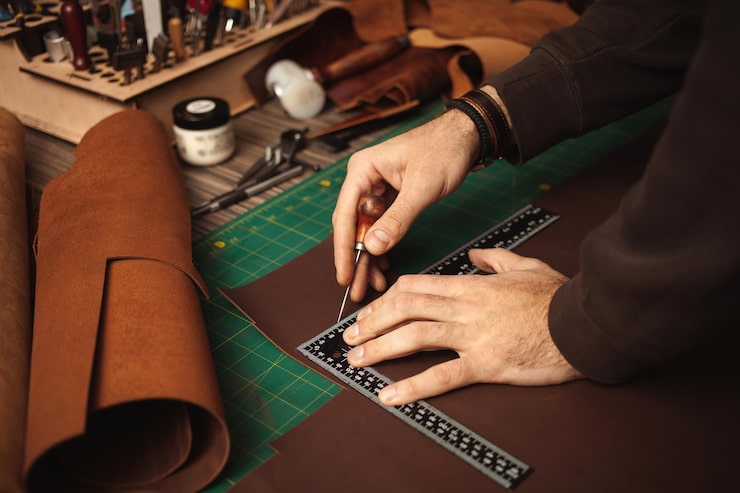
Leather shoe production is a complex art combining manual skill,industrie de la chaussure en cuir technology, and design.
Below is a comprehensive table summarizing each stage, its details, materials, and modern innovations.
| Stage | Description | Main Materials & Tools | Technological / Sustainable Innovations |
|---|---|---|---|
| 1. Raw Hide Procurement | Hides are sourced mainly from cattle, goats, and buffalo. The quality depends on climate, age, and animal diet. | Raw hides, preservation salts, transport systems. | Ethical sourcing, traceable supply chains, certification (e.g. LWG – Leather Working Group). |
| 2. Tanning Process | Converts raw hides into flexible, rot-resistant leather through chemical or natural agents. Two types: vegetable tanning (natural, slow) and chrome tanning (faster, industrial). | Chromium salts, tannins, rotating drums, water. | Water recycling systems, eco-tanning with plant extracts, biodegradable chemicals. |
| 3. Dyeing & Conditioning | Leather is colored, softened, and treated for texture uniformity. | Natural dyes, oils, waxes. | Non-toxic water-based dyes, reduction of VOC emissions. |
| 4. Cutting & Clicking | Leather sheets are cut into upper, lining, and sole components following design patterns. | Knives, steel dies, laser cutters. | Automated CAD/CAM cutting reducing waste by up to 25%. |
| 5. Stitching & Assembling | Parts are sewn together to create the upper. Skilled craftsmanship ensures balance and strength. | Industrial sewing machines, threads, adhesives. | Programmable stitching robots, seamless bonding. |
| 6. Lasting | The upper is stretched and shaped over a mold (“last”) that defines the shoe’s fit. | Wooden or plastic lasts, heat, humidity. | 3D scanning and printing of custom lasts. |
| 7. Sole Manufacturing & Attachment | Soles made from leather, rubber, or composite materials are attached by gluing or stitching. | Goodyear welting tools, cementing machines. | Lightweight recycled rubber, flexible bio-resin soles. |
| 8. Finishing & Polishing | Shoes are buffed, dyed, waxed, and waterproofed. | Brushes, sprays, wax creams. | Natural waxes, zero-chemical finishing methods. |
| 9. Quality Control & Packaging | Final inspection for size, defects, and balance before labeling and boxing. | Measuring devices, packaging lines. | Smart scanning for defects, recyclable packaging. |
4. Global Market Overview
4.1. Major Producing Countries
- China: The world’s largest leather footwear manufacturer and exporter (over 55% of global production).
- India: A major hub for affordable leather shoes and tanned hides,industrie de la chaussure en cuir employing more than 4 million workers.
- Italy & Spain: Known for luxury craftsmanship, hand-finishing, and design excellence.
- Vietnam & Indonesia: Key exporters for global brands like Nike,industrie de la chaussure en cuir Adidas, and Clarks.
- Brazil: Major supplier of raw hides and semi-finished leather for international markets.
4.2. Economic Data (2024 Estimates)
| Region | Production Volume (Million Pairs) | Export Value (Billion USD) | Market Focus |
|---|---|---|---|
| Asia-Pacific | 6,500 | 65 | Mass production, affordable footwear. |
| Europe | 1,200 | 40 | Luxury and designer brands. |
| North America | 700 | 25 | Premium, branded shoes. |
| Latin America | 500 | 15 | Raw material and semi-finished exports. |
| Africa | 200 | 5 | Growing artisanal market. |
The global leather footwear market is projected to reach USD 185 billion by 2030, driven by increasing demand in emerging economies and a renewed interest in durable, sustainable fashion.
5. Environmental and Ethical Challenges
5.1. Environmental Footprint
Leather production has a high environmental cost:
- Water consumption: Traditional tanning uses up to 17,000 liters of water per ton of hide.
- Chemical waste: Chromium and sulfides can pollute rivers if untreated.
- Carbon emissions: The livestock industry contributes to global warming.
5.2. Sustainability Movements
- Adoption of vegetable tanning using bark and plant extracts.
- Growth of vegan leather made from cactus,industrie de la chaussure en cuir pineapple leaves (Piñatex),industrie de la chaussure en cuir and mushrooms (Mylo).
- Use of recycled leather fibers to minimize waste.
- Implementation of closed-loop water systems in factories.
5.3. Ethical Labor
Many factories in developing countries still face issues such as low wages, unsafe conditions, and child labor. Global organizations like ILO and Fair Trade International push for ethical reforms and better working environments.
6. Innovation and Future Trends
The future of the leather shoe industry lies in smart manufacturing and eco-conscious production:
- 3D Printing: Custom soles and lasts for perfect ergonomic fit.
- Artificial Intelligence: Predictive demand modeling and defect detection.
- Smart Leather: Nanotechnology making leather waterproof,industrie de la chaussure en cuir odor-resistant, and longer-lasting.
- Circular Fashion: Recycling worn-out leather shoes into new products.
- Digital Platforms: Personalized shoe design and virtual fitting apps.
Luxury brands are also redefining value — prioritizing longevity, repairability, and timeless aesthetics over fast fashion cycles.
7. Socio-Cultural Significance
Leather shoes have always represented status, identity, and craftsmanship. In many cultures:
- Polished leather shoes symbolize professionalism and respect.
- Traditional Moroccan babouches, Italian loafers,industrie de la chaussure en cuir or British brogues reflect cultural heritage.
- Modern fashion merges old-world craftsmanship with contemporary style, emphasizing individuality and quality.
8. Conclusion
The leather shoe industry stands as a living legacy of human ingenuity — a field where ancient skills meet cutting-edge innovation.
While globalization and environmental pressures have reshaped its structure, the essence remains the same: creating footwear that combines beauty, strength, and comfort.
The industry’s future depends on its ability to harmonize:
- Sustainability with tradition
- Technology with craftsmanship
- Mass production with individuality
Leather shoes are not just products — they are stories stitched in time,industrie de la chaussure en cuir walking with humanity through every era of civilization.
Would you like me to transform this article into a professionally formatted PDF or Word document (with headings, table styling, and references section)? It would look like a real academic or industrial report.