FATI FATI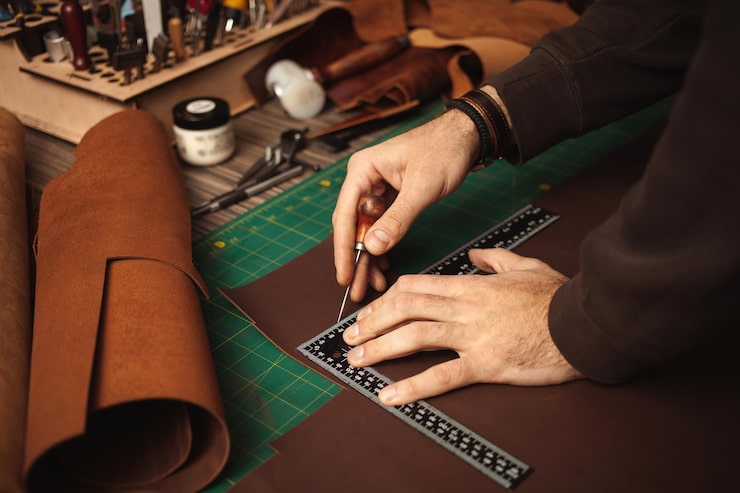
Leather jackets have long stood as symbols of craftsmanship, durability, and timeless style. Behind every finely crafted leather jacket lies a meticulous process that combines tradition, skill, and artistry. Traditional leather jacket making is not just about producing a garment — it’s about preserving a heritage of handcrafting techniques passed down through generations.
1. Selecting the Leather
The journey of a leather jacket begins with the most crucial element — the leather itself. Traditional artisans carefully select hides from animals such as cow, goat, lamb, or buffalo, depending on the desired texture and strength.
- Cowhide is durable and ideal for rugged, heavy-duty jackets.
- Lambskin offers a softer, more luxurious feel, perfect for fashion-focused designs.
- Goatskin provides a balance of flexibility and strength.
The chosen hides are examined for natural imperfections, which are sometimes left visible to maintain authenticity and character.
2. Tanning the Leather
The next step is tanning, a process that transforms raw hides into durable, wearable leather. Traditionally, artisans used vegetable tanning, relying on natural plant extracts such as oak bark, chestnut, or mimosa.
This process can take weeks or even months, but the result is a rich, supple leather that develops a beautiful patina over time. Unlike modern chrome tanning,leather jacket making vegetable tanning gives the leather a natural fragrance and warm tone that deepens with age.
3. Cutting and Pattern Making
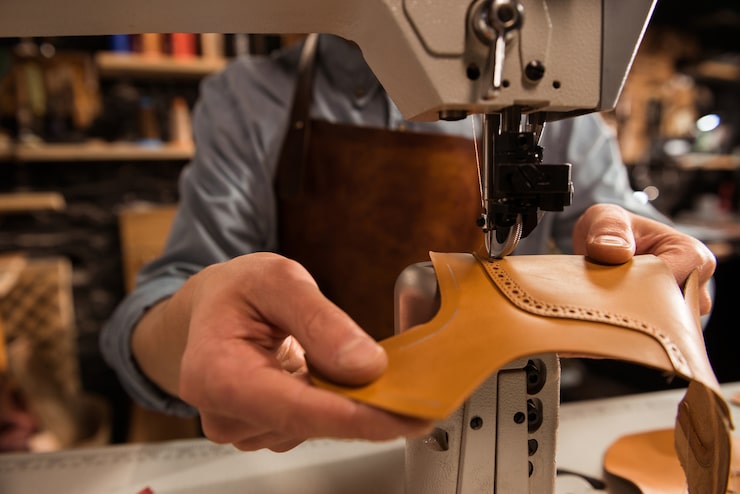
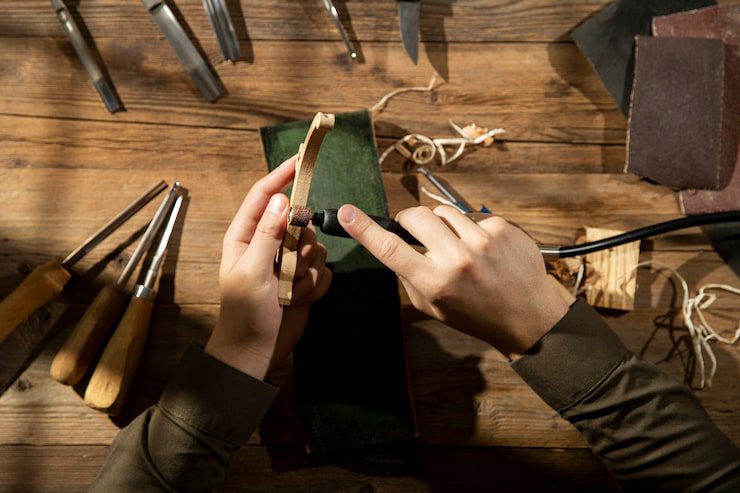
Once the leather is tanned and dried, it is carefully cut by hand using patterns designed for each jacket size and style. Skilled cutters lay out the leather pieces to make the most of each hide, ensuring that the grain direction and texture match across panels.
Precision is vital — a single mistake in cutting can ruin a valuable hide. Each pattern piece represents a part of the jacket: the body, sleeves, collar, and pockets.
4. Hand Stitching and Assembly
Traditional leather jackets are assembled through hand-stitching or old-fashioned sewing machines designed specifically for heavy leather. Every seam, edge, leather jacket makingand fold is reinforced to guarantee longevity.
Artisans also add lining (often satin or cotton) for comfort and durability. The stitching not only holds the jacket together but also defines its shape and style — from sleek biker designs to rugged aviator cuts.
5. Finishing Touches
After the main body is assembled, the jacket receives its finishing touches — polishing, oiling, and distressing. These steps enhance the texture and protect the leather from wear and moisture. Buttons, zippers, and buckles are then attached by hand, often made of brass or nickel for authenticity.
Finally, the jacket is buffed and conditioned, revealing a deep, natural sheen that only handcrafted leather can achieve.
6. Aging Gracefully
One of the most remarkable qualities of a traditional leather jacket is its ability to age beautifully. Over time, the leather molds to the wearer’s body, developing creases,leather jacket making color variations, and softness that make each jacket truly one-of-a-kind.
Unlike synthetic materials, genuine leather improves with time — it tells a story, carrying the marks of its journey and the personality of its owner.
Conclusion
Traditional leather jacket making is more than a production process; it’s a craft that honors history, patience, and human touch. In a world dominated by mass production,leather jacket making these jackets remain symbols of authenticity and craftsmanship. Each stitch, cut, and polish reflects an artisan’s dedication to creating something enduring — a piece that’s as personal as it is timeless.
Would you like me to make this article sound more magazine-style (with catchy intros and modern tone) or keep it classic and informative like this?
Vous avez dit :
Give me a long article with a neat table in English that talks about the traditional leather jacket industry.
ChatGPT a dit :
Perfect — here’s a long, well-structured article about the traditional leather jacket industry, complete with a neatly organized table for clarity and professional presentation:
The Traditional Leather Jacket Industry: Craftsmanship, Culture, and Legacy
Introduction
The traditional leather jacket industry stands as a testament to human craftsmanship, creativity, and cultural identity. For centuries, artisans around the world have transformed raw animal hides into beautiful, durable garments that symbolize style, strength, and individuality. Unlike modern mass-produced fashion, traditional leather jacket making relies on manual skillleather jacket making, time-honored techniques, and a deep respect for natural materials.
This article explores the roots of the leather jacket industry,leather jacket making the processes involved in production, and its cultural and economic importance today.
1. Origins and History
The leather jacket has ancient origins dating back to early civilizations, where animal hides were used for protection against harsh climates. Over time, the craft evolved from basic functionality to an art form representing social status and cultural expression.
By the early 20th century, leather jackets became iconic fashion items — worn by pilots, bikers, and later, movie stars. The traditional industry preserved handcrafting methods that continue to define its authenticity today.
| Era | Key Development | Cultural Influence |
|---|---|---|
| Ancient Times | Early use of animal hides for warmth and protection | Practical survival clothing |
| Middle Ages | Emergence of skilled tanners and leatherworkers | Guilds and artisan communities |
| 1900s | Introduction of leather flight jackets and biker wear | Symbol of rebellion and adventure |
| Modern Era | Revival of handcrafted leather goods | Blend of tradition and fashion |
2. The Traditional Production Process
The making of a traditional leather jacket involves several intricate steps that demand patience, precision, and expertise.leather jacket making Each phase of production contributes to the jacket’s final texture,leather jacket making durability, and appearance.
| Stage | Description | Tools & Techniques Used |
|---|---|---|
| 1. Hide Selection | Choosing high-quality hides (cow, goat, or lamb) based on thickness, texture, and flexibility. | Manual inspection and sorting |
| 2. Tanning | Converting raw hides into usable leather using natural plant extracts (vegetable tanning). | Oak bark, chestnut, or mimosa solutions |
| 3. Drying & Conditioning | Air-drying and oil treatment to preserve elasticity. | Natural oils, stretching racks |
| 4. Cutting | Hand-cutting leather pieces using traditional patterns. | Sharp knives, metal templates |
| 5. Stitching & Assembly | Sewing pieces together using heavy-duty machines or hand-stitching. | Waxed thread, leather needles |
| 6. Finishing | Applying oils, dyes, and protective coatings for shine and longevity. | Buffing tools, polishing cloths |
| 7. Quality Inspection | Checking seams, color, and flexibility before packaging. | Visual and manual quality testing |
3. Artisans and Regional Traditions
Different countries have developed their own distinctive leatherworking styles. In Italy, the focus is on smooth, luxury finishes; in Morocco, artisans use vibrant natural dyes; while in India,leather jacket making intricate hand-tooling and embossing techniques are common.
| Country/Region | Leather Type | Artisan Specialty | Notable Characteristics |
|---|---|---|---|
| Italy | Calfskin, lambskin | Fine finishing and luxury fashion | Soft texture, elegant design |
| Morocco | Goatskin (known as “Marrakesh leather”) | Hand-dyeing and traditional tanning | Rich colors, handmade detailing |
| India | Buffalo and goat leather | Hand embossing and decorative stitching | Cultural motifs, strong durability |
| Turkey | Cowhide and sheepskin | Traditional Anatolian tanning | Smooth surfaces, longevity |
| Japan | Horsehide | Precision cutting and minimalist style | Highly refined craftsmanship |
4. Sustainability and Challenges
While traditional leather artisans value natural materials, the industry faces growing challenges related to ethical sourcing and environmental impact.leather jacket making Modern consumers are increasingly aware of how hides are obtained and how tanning affects the environment.
To respond, many traditional tanneries have adopted eco-friendly vegetable tanning methods, recycling systems, and sustainable livestock sourcing. However, competing with low-cost synthetic leather products remains a major challenge for artisans.
| Challenge | Impact on Industry | Modern Solutions |
|---|---|---|
| Environmental regulations | Increased cost of natural tanning | Use of eco-certified materials |
| Decline of skilled artisans | Loss of traditional techniques | Artisan training programs |
| Synthetic leather competition | Market share loss | Focus on quality and authenticity |
| Changing fashion trends | Reduced traditional demand | Collaboration with modern designers |
5. Economic and Cultural Importance
Traditional leather jacket making supports small workshops, family-owned tanneries, and local economies. Each jacket represents not only craftsmanship but also cultural heritage and identity.
In many regions, leather artisans are seen as guardians of heritage skills, preserving traditional knowledge through apprenticeships and community workshops. leather jacket making, handmade jackets attract tourists and collectors who appreciate genuine artistry.
6. The Future of the Industry
Despite challenges, the traditional leather jacket industry is evolving with technology and sustainable innovation. Artisans are blending heritage craftsmanship with modern fashion by introducing contemporary cuts, natural dyes, and customizable designs.
Digital platforms have also opened new global markets, allowing independent leatherworkers to reach customers worldwide while maintaining traditional production values.
Conclusion
The traditional leather jacket industry remains a shining example of how artistry, history, and sustainability can coexist. Each handmade jacket is not just a garment — it is a story of human skill,leather jacket making patience, and passion.
In a world driven by mass production, the traditional leather jacket endures as a symbol of authenticity and individuality, reminding us that true craftsmanship never goes out of style.
Would you like me to make this article ready for publication or blog format (with SEO headings, keywords, and meta description)? I can reformat it that way if you plan to post it online.