FATI FATI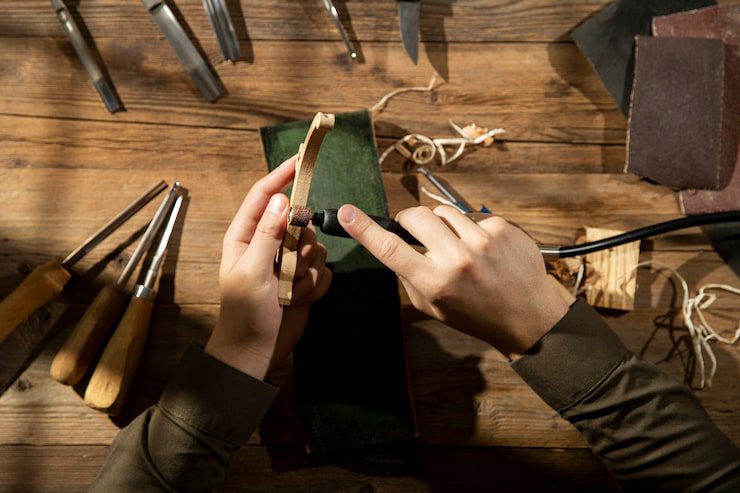
In an era dominated by mass production and fast fashion, handmade genuine leather wallets stand as enduring symbols of craftsmanship, quality, and personal style. These meticulously crafted accessories represent more than just a place to store cards and cash—they embody a tradition of artisanal excellence that spans centuries, combining time-honored techniques with contemporary design sensibilities.
The Art of Leather Crafting
Leather crafting is one of humanity’s oldest trades, with archaeological evidence suggesting that humans have been working with animal hides for over 7,000 years.leather wallets Today’s artisan leather workers continue this ancient tradition, though their methods have been refined and perfected through generations of practice. The creation of a handmade leather wallet is a labor-intensive process that demands patience, skill, and an intimate understanding of the material.
Unlike their factory-produced counterparts, handmade wallets are born from the hands of skilled craftspeople who oversee every step of production.leather wallets From selecting the perfect hide to stitching the final seam, each wallet receives individual attention and care. This personal touch results in products that possess character, durability, and a unique quality that mass-produced items simply cannot replicate.
Understanding Genuine Leather
The term “genuine leather” often causes confusion among consumers. While it technically means the product is made from real animal hide, it’s important to understand that genuine leather represents a specific grade in the leather quality hierarchy. Full-grain leather sits at the top, retaining the hide’s natural surface with all its characteristics intact. Top-grain leather comes next, having been lightly sanded to remove imperfections. Genuine leather, while still real leather, leather walletshas typically been more heavily processed and may have an artificial grain applied.
However, when we discuss handmade wallets crafted by skilled artisans, many use premium grades like full-grain or top-grain leather, which develop a beautiful patina over time—a natural sheen and color variation that tells the story of the wallet’s journey with its owner. This aging process is one of the most beloved characteristics of quality leather goods, as each wallet becomes truly one-of-a-kind.
The Handcrafting Process
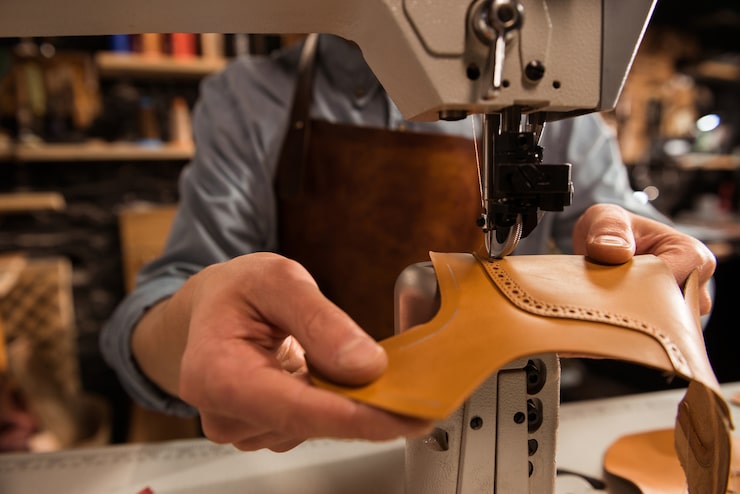
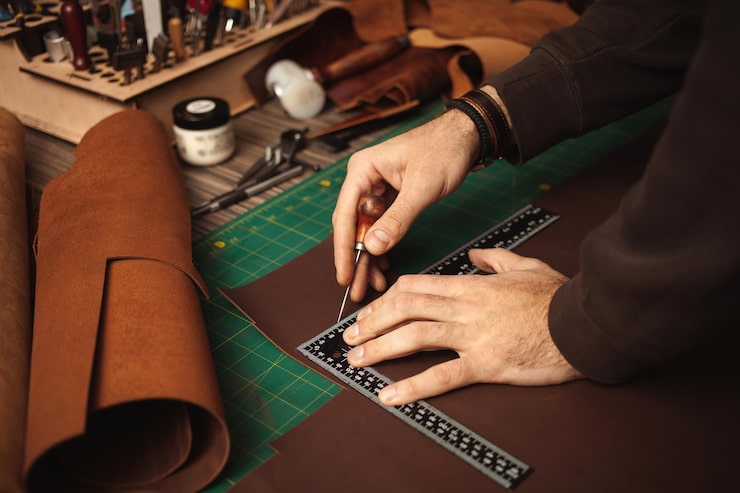
Creating a handmade leather wallet is a multi-stage process that showcases the artisan’s expertise at every turn. It begins with pattern making, where the craftsperson creates templates for each component of the wallet. These patterns must account for the leather’s thickness, stretch, and how it will fold and wear over time.
Next comes the crucial step of cutting the leather. Artisans carefully select portions of the hide, avoiding imperfections and ensuring that the grain pattern will complement the wallet’s design. Each piece is cut by hand using specialized knives, requiring steady hands and years of experience to achieve clean, precise edges.
The edges of the leather pieces are then beveled, burnished, and polished—a process that creates smooth, rounded edges that won’t fray or become rough with use.leather wallets This step alone can take significant time, as the leather must be worked repeatedly with special tools and treatments to achieve the desired finish.
Perhaps the most iconic aspect of handmade leather goods is the stitching. Many artisans use saddle stitching, a technique that involves two needles and a single thread, creating a lock stitch that is incredibly strong and durable. Unlike machine stitching, which uses two separate threads that can unravel if one breaks, saddle stitching remains intact even if damaged. The holes for stitching are punched individually using specialized tools, ensuring perfect spacing and alignment.
The Benefits of Handmade Over Mass-Produced
Handmade leather wallets offer numerous advantages over their factory-made alternatives. Durability stands at the forefront—a well-crafted handmade wallet can last decades with proper care, often outlasting multiple generations of mass-produced wallets. leather walletsThe quality of materials and construction means these wallets resist wear, maintain their structure, and continue to function beautifully year after year.
Customization is another significant benefit. Many artisans offer bespoke services, allowing customers to choose leather type, color, stitching, and even have initials or designs embossed or carved into the leather. This level of personalization creates a truly unique product that reflects the owner’s personality and preferences.
There’s also an ethical dimension to consider. Purchasing handmade goods supports independent artisans and small businesses, helping preserve traditional crafts and providing fair wages to skilled workers. Many leather craftspeople source their materials responsibly and work in environmentally conscious ways, creating products designed to last rather than contribute to the throwaway culture of fast fashion.
Types and Styles of Handmade Leather Wallets
The variety of handmade leather wallet styles reflects both traditional designs and modern innovations. The bifold remains perhaps the most classic style,leather wallets folding in half with card slots on each side and a bill compartment in the center. Its simplicity and slim profile have made it a timeless choice for those seeking an everyday carry option.
Trifold wallets offer additional capacity, folding into three sections and typically providing more card slots and compartments. While slightly bulkier, they appeal to those who need to carry more items while maintaining organization.
Minimalist cardholders have surged in popularity in recent years, catering to those who have embraced digital payments and carry fewer physical cards. These sleek designs hold just a few cards and some folded bills, fitting easily in a front pocket.
Long wallets, also called continental wallets, don’t fold and instead feature a long, rectangular design. Popular in many parts of the world,leather wallets they offer excellent organization with multiple compartments and often include a zipper for security.
Traditional designs inspired by specific regions—such as Italian craftsmanship, Mexican tooled leather, or Japanese minimalism—bring cultural heritage and distinctive aesthetic qualities to wallet design. Each tradition carries its own techniques, patterns, and philosophical approaches to leather working.
Care and Maintenance
A handmade leather wallet represents an investment, and proper care ensures it will provide service for many years. Regular maintenance is straightforward but important. Leather should be kept clean by wiping it with a soft, dry cloth to remove dust and dirt. For deeper cleaning, slightly dampened cloths can be used, but leather should never be soaked or exposed to excessive moisture.
Conditioning the leather every few months helps maintain its suppleness and prevents drying and cracking. Leather conditioners, creams, or natural oils designed specifically for leather goods should be applied sparingly and buffed to a shine. This process nourishes the leather and enhances its natural beauty.
Storage also matters. When not in use, leather wallets should be kept in a cool, dry place away from direct sunlight, which can cause fading and drying. If storing for extended periods, keeping the wallet in a breathable fabric bag protects it from dust while allowing air circulation.
Perhaps most importantly, using the wallet regularly is actually beneficial.leather wallets The natural oils from your hands help condition the leather, and the flexing and folding keep it supple. This is why well-used leather goods often look better than those kept in pristine, unused condition.
The Investment Value
While handmade leather wallets typically cost more than mass-produced alternatives, understanding the value proposition reveals why they’re worth the investment. A quality handmade wallet can easily last 10 to 20 years or more, whereas cheaper alternatives might need replacing every year or two.leather wallets Over time, the cost per use becomes remarkably low.
There’s also the intangible value of owning something beautiful and well-made. The satisfaction of using a quality tool designed to last, the development of patina that records your personal history, and the knowledge that you’re supporting traditional craftsmanship all contribute to the wallet’s worth beyond its functional utility.
Comparison of Handmade Leather Wallet Characteristics
FeatureHandmade Genuine LeatherMass-Produced LeatherSynthetic AlternativeLifespan10-20+ years with care2-5 years typically1-3 years typicallyStitching QualityHand saddle-stitched, extremely durableMachine lockstitch, can unravelMachine stitched, moderate durabilityPatina DevelopmentRich, unique patina develops over timeLimited patina, may crack insteadNo natural patina, appearance degradesCustomization OptionsExtensive—leather type, color, design, monogrammingLimited to available stockModerate, mostly color choicesPrice Range$50-$300+ depending on leather and complexity$20-$80 typically$10-$40 typicallyEdge FinishingHand-burnished, polished, sealedMachine finished or paintedSynthetic edges, may separateUniquenessEach piece unique due to natural leather variationsUniform appearanceCompletely uniformRepair PotentialHighly repairable by skilled craftspeopleLimited repair optionsGenerally not repairableEnvironmental ImpactBiodegradable, often uses leather by-products, long-lasting reduces wasteMixed—shorter lifespan increases wasteNon-biodegradable, petroleum-basedCraftsmanshipMade by skilled artisans,leather wallets quality varies by makerStandardized factory productionStandardized factory productionBreak-in Period1-4 weeks to soften and conformMinimal, pre-softenedImmediate, no break-inTexture & FeelNatural grain, varies across hideProcessed, more uniformArtificial texture
Finding Quality Handmade Leather Wallets
Sourcing authentic handmade leather wallets requires some research, but several avenues exist for discerning buyers. Independent artisan websites and online marketplaces like Etsy feature numerous leather craftspeople selling directly to consumers. leather walletsThis direct relationship often allows for communication about customization and provides insight into the maker’s process.
Local craft markets, artisan fairs, and maker spaces frequently showcase leather workers who sell their creations. Purchasing in person offers the advantage of examining the product directly, feeling the leather quality, and meeting the person who made it.
Some cities have dedicated leather goods shops that feature work from multiple local artisans, curating collections of high-quality handmade items. These shops often have knowledgeable staff who can explain the differences between various leathers and construction methods.
When evaluating a handmade wallet, look for even, tight stitching with consistent spacing. Edges should be smooth and finished, not rough or fraying. The leather should feel substantial without being overly thick or rigid. Quality hardware—if present—should operate smoothly and feel solid. Most importantly, a reputable maker should be transparent about their materials and construction methods.
The Future of Handmade Leather Goods
Despite living in an increasingly digital and automated world, the market for handmade leather goods continues to grow. Consumers are becoming more conscious of the environmental and social impacts of their purchases, driving demand for sustainable, long-lasting products made by fairly compensated craftspeople.
Social media and online platforms have also democratized access to artisan goods,leather wallets allowing leather workers in remote areas to reach global markets. This connectivity has fostered a revival of traditional crafts, with younger generations learning ancient techniques and adapting them for contemporary tastes.
The handmade leather wallet represents something profound in our modern world—a connection to tradition, an appreciation for quality and durability, and a rejection of disposable culture. Each wallet tells two stories: the story of the artisan who created it with care and skill, and the story of the owner who carries it through life’s journey. In choosing a handmade genuine leather wallet, you’re not just buying an accessory; you’re investing in craftsmanship, supporting artisans, and acquiring a companion that will age gracefully alongside you.
As we move forward, the enduring appeal of handmade leather goods reminds us that some things—quality, craftsmanship, and authenticity—never go out of style.leather wallets A well-made leather wallet is not just functional; it’s a daily touchstone of beauty and quality, a small piece of artistry that accompanies you through life.