FATI FATI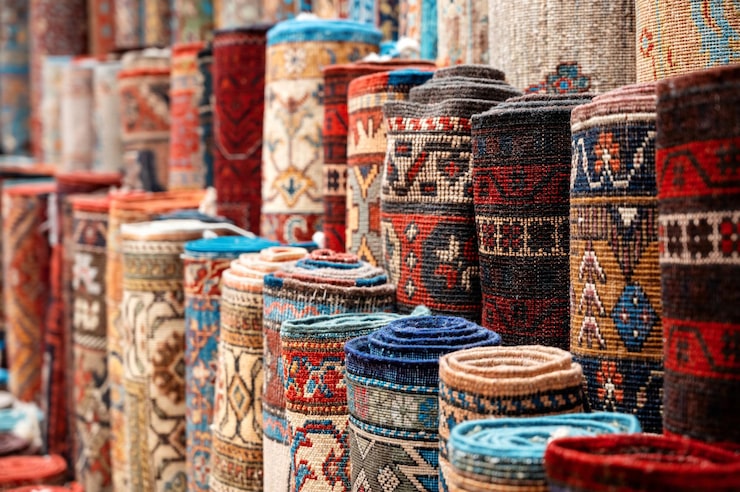
Moroccan handmade carpets represent one of the most distinctive and celebrated textile traditions in the world. These intricate woven masterpieces have been crafted for centuries by Berber tribes across Morocco’s diverse landscapes, from the Atlas Mountains to the Sahara Desert. Each carpet tells a story, embodying the cultural heritage, artistic vision,Moroccan handmade carpets and daily life of the women who create them.
Historical Roots and Cultural Significance
The tradition of carpet weaving in Morocco dates back thousands of years, with evidence suggesting that Berber tribes were creating textiles as early as the Paleolithic era. These carpets were not merely decorative items but served essential practical purposes in the harsh North African climate. They provided insulation against cold mountain nights, created comfortable seating areas in nomadic tents, and even served as dowries and family heirlooms passed down through generations.
The art of carpet making is traditionally a female craft, passed from mother to daughter through oral tradition and hands-on experience. Young girls often begin learning the techniques as early as age ten, spending years mastering the intricate patterns and weaving methods unique to their tribe. Moroccan handmade carpetsThis gender-specific tradition has helped preserve ancient designs and techniques that might otherwise have been lost to modernization.
Regional Varieties and Distinctive Styles
Morocco’s carpet-making tradition is remarkably diverse, with each region and tribe developing its own characteristic style, patterns, and color palettes. The most famous varieties include Beni Ourain carpets from the Middle Atlas Mountains, known for their minimalist geometric designs on cream backgrounds; Azilal rugs featuring vibrant, abstract patterns with bold colors; and Boucherouite carpets made from recycled textiles, creating a riot of colors and textures.
The High Atlas region produces carpets with deep red and orange tones, often incorporating complex symbolic motifs representing fertility, protection, and spirituality.Moroccan handmade carpets Coastal regions tend toward lighter colors and more refined patterns, while desert tribes create flatweave kilims with stripes and simple geometric shapes that reflect the stark beauty of their environment.
Materials and Traditional Techniques
Authentic Moroccan carpets are crafted using time-honored methods that have remained largely unchanged for centuries. The process begins with shearing sheep, usually in spring when their wool is at its finest. The raw wool is then cleaned, carded, and hand-spun into yarn using a simple drop spindle—a technique requiring considerable skill to maintain consistent thickness and tension.
Natural dyes extracted from plants, minerals, and insects create the rich, earthy color palette characteristic of traditional Moroccan carpets. Saffron produces yellows, pomegranate creates deep reds, indigo yields blues, and henna provides orange and brown tones. These natural dyes not only produce beautiful, subtle color variations but also improve with age, developing a patina that synthetic dyes cannot replicate.
The weaving itself is done on vertical looms,Moroccan handmade carpets with weavers working from memory rather than following written patterns. This spontaneous approach means that no two carpets are ever identical, and weavers often incorporate personal symbols, family stories, or significant life events into their designs. The knotting techniques vary by region, with some using symmetrical Turkish knots and others employing asymmetrical Persian knots, affecting both the carpet’s durability and appearance.
Symbolism and Pattern Language
Moroccan carpet designs are far from random decorative elements; they constitute a sophisticated symbolic language developed over millennia.Moroccan handmade carpets Diamonds represent femininity and the eye, offering protection against evil spirits. Zigzag patterns symbolize water and fertility, essential concerns in an arid environment. Cross shapes represent spirituality and the intersection of life’s paths, while lozenges and triangles may indicate the weaver’s tribe, marital status, or personal experiences.
Many carpets include deliberately introduced imperfections or asymmetries, reflecting the Islamic belief that only Allah creates perfection. These intentional “mistakes” also prevent the weaver’s soul from becoming trapped in the carpet, according to traditional beliefs.Moroccan handmade carpets Some scholars suggest that these patterns served as a form of written communication among largely illiterate populations, conveying information about the weaver’s identity, life events, and tribal affiliation.
Economic Impact and Contemporary Challenges
The Moroccan carpet industry plays a vital role in the country’s economy, particularly in rural areas where alternative employment opportunities are limited. Thousands of women depend on carpet weaving as their primary source of income, with the trade supporting entire communities through cooperative structures. However, the industry faces significant challenges in the modern era.
Mass-produced imitations from countries with lower labor costs flood the market, often marketed deceptively as authentic Moroccan products.Moroccan handmade carpets These machine-made carpets lack the quality, character, and cultural significance of genuine handmade pieces, yet their lower prices make them attractive to uninformed buyers. This competition puts economic pressure on traditional weavers, who cannot reduce their prices without earning below subsistence wages for work that may take months to complete.
Young Moroccan women increasingly pursue education and urban employment opportunities rather than learning traditional weaving skills, threatening the continuity of this ancient craft. The time-intensive nature of carpet weaving—a single piece may require hundreds of hours of work—makes it economically challenging compared to modern occupations, despite the superior value of the final product.
Investment Value and Market Appreciation
Authentic Moroccan handmade carpets have gained significant recognition in the global design community, with vintage pieces commanding premium prices at international auctions and galleries. Interior designers and collectors prize these carpets for their artistic merit, craftsmanship,Moroccan handmade carpets and the unique character that machine-made alternatives cannot replicate.
The value of a Moroccan carpet depends on multiple factors: age, condition, rarity of design, quality of materials, knot density, natural versus synthetic dyes, and provenance.Moroccan handmade carpets Antique carpets from the 19th and early 20th centuries can fetch thousands or even tens of thousands of dollars, particularly if they feature rare patterns or come from well-documented collections. Even contemporary pieces by master weavers are increasingly viewed as investment-worthy art objects rather than mere floor coverings.
Preservation Efforts and Sustainable Tourism
Recognizing the cultural and economic importance of traditional carpet weaving, various organizations and cooperatives work to preserve this heritage craft. Fair trade initiatives connect weavers directly with international buyers, ensuring they receive equitable compensation for their work. Moroccan handmade carpetsThese programs also provide quality control, marketing support, and access to larger markets that individual weavers could not reach independently.
Cultural tourism has emerged as both an opportunity and a challenge for Morocco’s weaving communities. Visitors seeking authentic experiences can tour weaving cooperatives, observe artisans at work, and purchase directly from makers, providing crucial income and international exposure. However, tourism also risks commodifying the craft, potentially prioritizing tourist preferences over traditional designs and techniques.
Caring for Moroccan Carpets
Proper maintenance ensures that Moroccan carpets retain their beauty and value for generations. Regular vacuuming removes dust and prevents dirt from settling deep into fibers, though care should be taken to avoid the fringe and to use lower suction settings on delicate older pieces. Rotation every few months ensures even wear and prevents fading from prolonged sun exposure in one area.
Professional cleaning by specialists experienced with handmade wool carpets is recommended every few years, as improper cleaning can damage natural dyes and fibers.Moroccan handmade carpets Spot cleaning should be done promptly using cold water and mild, pH-neutral soap, blotting rather than rubbing to avoid spreading stains or damaging the pile. Moths pose a threat to wool carpets, so storage in cedar-lined chests or with natural moth deterrents is advisable for pieces not in regular use.
Comparison of Major Moroccan Carpet Types
Carpet TypeRegion of OriginTypical MaterialsColor PalettePattern CharacteristicsWeave StyleTypical SizePrice Range (USD)Common UseBeni OurainMiddle Atlas MountainsPure sheep woolCream/ivory with black or brownGeometric diamonds, lines, and asymmetric designsHigh pile, thick and plush5'x8' to 10'x14'$800-$5,000+Living rooms, bedrooms, minimalist interiorsAzilalHigh Atlas MountainsWool with cotton or wool weftBright colors: pink, purple, yellow, orangeAbstract, expressive, child-like drawings and symbolsMedium pile, asymmetric4'x6' to 8'x10'$600-$3,500Modern eclectic spaces, nurseries, artistic interiorsBoucherouiteVarious regionsRecycled cotton,Moroccan handmade carpets clothing scraps, synthetic fabricsMulti-colored, vibrant and variedRandom, improvised patterns with textile stripsFlatweave or low pile3'x5' to 6'x9'$200-$1,200Entryways, kitchens, casual spacesKilimVarious regionsWool, sometimes cottonEarth tones, reds, orangesStriped patterns, simple geometric shapesFlatweave, no pile4'x6' to 9'x12'$300-$2,000Hallways, layering with other rugs, wall hangingsMrirtMiddle AtlasThick sheep woolNatural whites, creams, grays with minimal colorLong shaggy pile with simple or no patternsVery high pile, extremely thick5'x7' to 8'x11'$900-$4,000Cold climate homes, cozy bedroomsBoujadHaouz regionWoolVibrant reds, pinks, orangesDense, all-over floral and geometric patternsMedium pile5'x8' to 9'x12'$700-$3,000Bohemian interiors, dining rooms, colorful spacesBerber (Generic)Various regionsWoolMixed earth tonesTribal symbols, varies by regionVariable pile heightVariable$400-$2,500General use, traditional interiors
The Future of Moroccan Carpet Weaving
The future of Moroccan handmade carpets lies in balancing tradition with adaptation. Some cooperatives experiment with contemporary designs that appeal to modern sensibilities while maintaining traditional techniques and quality standards. This approach attracts younger weavers who can express personal creativity while preserving ancestral skills, and appeals to design-conscious buyers seeking unique statement pieces.
Digital platforms and social media have revolutionized how Moroccan carpets reach global markets, allowing small cooperatives and individual weavers to showcase their work to international audiences without intermediaries. This direct connection benefits both makers, who retain more profit, and buyers, who gain transparency about provenance and craftsmanship.
Education initiatives teaching consumers to distinguish authentic handmade carpets from imitations help support traditional weavers economically. As awareness grows about the cultural significance, environmental sustainability, and superior quality of genuine Moroccan carpets, demand for authentic pieces strengthens, providing hope for the craft’s continuation.
Conclusion
Moroccan handmade carpets represent far more than decorative floor coverings; they are repositories of cultural memory, expressions of individual creativity within collective tradition, and tangible connections to ancient ways of life. Each knot tied by a Berber weaver carries forward techniques developed over millennia, symbols pregnant with meaning, and the hopes and dreams woven into the very fabric of these remarkable textiles.
As the world increasingly values authenticity, sustainability, and cultural preservation, Moroccan carpets stand as exemplars of slow craft, ethical production, and artistic excellence.Moroccan handmade carpets Supporting this tradition means recognizing the skill, time, and cultural knowledge embodied in each piece, ensuring that future generations can continue both creating and appreciating these extraordinary works of functional art. Whether displayed in a contemporary loft or a traditional home, a Moroccan handmade carpet brings warmth, beauty, and a piece of living history into any space it graces.